



At a Glance:
Understanding the Differences Between Electric and Gas Dryers
Comparing Costs, Performance, and Long-Term Value
Why Trust Roby’s Furniture & Appliance?
When it comes to choosing a new dryer, one of the most common questions homeowners ask is: Is an electric dryer better than gas? Both options are designed to dry clothes efficiently, but they operate differently and come with their own advantages, costs, and installation requirements. Understanding these differences can help you make the right choice for your home and laundry routine.
Electric and gas dryers each have loyal fans. Electric models are widely available and typically easier to install, making them a popular choice for many households. Gas dryers, on the other hand, are often praised for faster drying times and potential long-term energy savings in certain homes. The best option often depends on factors like your existing utility connections, budget, and how often you run laundry loads.
Modern dryers also include advanced features that go far beyond simple heat and tumble cycles. From moisture sensors and energy-efficient settings to smart controls and fabric care options, both electric and gas models can offer excellent performance and convenience.
In this guide, we’ll break down the key differences between electric and gas dryers, explore the advantages of electric models, and compare costs, performance, and long-term value. By the end, you’ll have a clearer understanding of which type of dryer is the best fit for your home and your laundry needs.
Find Your Next Dryer at Roby's
Unsure whether a gas or electric dryer is right for your home? Speak to an expert at Roby's today, and we'll help you decide which model best suits your laundry day needs.
Explore Our Dryer CatalogUnderstanding the Differences Between Electric and Gas Dryers
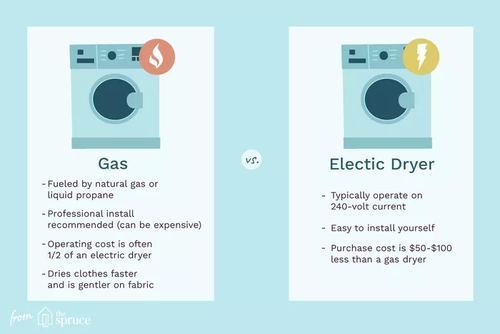
Both types are designed to dry clothes efficiently, but they operate using different energy sources and have different installation requirements. Understanding these basics can make the decision much easier when upgrading your laundry room.
The biggest difference comes down to how heat is produced. Electric dryers use a heating element powered by electricity to warm the air inside the drum. A fan then circulates that hot air through the clothes to remove moisture. Gas dryers use natural gas or propane to create heat, while electricity powers the drum, fan, and controls.
Installation is another important factor. Electric models tend to be simpler to set up because most laundry rooms already include the proper electrical connection. Gas dryers require an additional fuel source, which may involve extra preparation before installation.
Here are some common laundry room utility hookup requirements to keep in mind:
- Electric dryers typically require a 240-volt outlet and proper ventilation.
- Gas dryers need a gas line connection along with a standard electrical outlet to power the controls and drum.
- Both dryer types require a vent system to safely remove heat and moisture from the home.
Cost differences can also influence your choice. Electric dryers often have a lower purchase price and are widely available in many styles and sizes. Gas dryers can sometimes cost more upfront due to the appliance itself and potential installation needs. For homes without a gas connection, installing a gas line for a dryer can add to the overall investment.
Both options are reliable and effective for everyday laundry. The right choice usually depends on your home’s existing utilities, your budget, and the setup of your laundry space. At Roby’s, our team is always happy to help you compare models and find the best dryer for your needs.
Learn More: Which Top Load Washing Machines Offer the Best Value?
Advantages of Electric Dryers
Electric dryer models have become increasingly popular thanks to their simple installation and wide availability. For many homes, they provide a practical and efficient way to handle everyday laundry needs.
One of the biggest advantages of electric dryers is easy installation. Most homes already have the proper electrical outlet in the laundry room, making setup quick and straightforward. Without the need for a gas line, electric dryers can often be placed in more areas of the home, giving homeowners greater flexibility when designing or updating a laundry space.
Electric dryers are also known for their lower upfront cost. In many cases, the appliance itself costs less than a comparable gas model. With fewer installation requirements, homeowners can often save money when replacing an older dryer or installing a new one.
Maintenance and safety are also strong points for electric dryers. Since there is no gas connection involved, the overall system tends to be simpler. Routine care usually involves cleaning the lint filter, checking the vent system, and keeping the drum area free of debris.
Key advantages of electric dryers include:
- Simpler installation with a standard 240-volt outlet
- Lower purchase cost compared to many gas models
- Fewer maintenance concerns due to the absence of gas components
- Reliable performance for everyday laundry routines
Modern models also include advanced features that improve efficiency and fabric care. Many energy-efficient electric dryers now come equipped with moisture sensors that detect when clothes are dry and automatically stop the cycle. This helps prevent overdrying while saving electricity. Additional features like steam cycles, wrinkle prevention settings, and smart controls add even more convenience.
For many households, electric dryers offer an excellent combination of affordability, efficiency, and easy operation, making them a dependable choice for everyday laundry.
Learn More: 5 Stylish Home Office Sets
Comparing Costs, Performance, and Long-Term Value

At Roby’s, we often help customers compare electric and gas dryers to determine which option makes the most sense for their home. While both types perform the same basic task, there are differences in operating costs, drying speed, and long-term value that can influence your decision.
One factor many homeowners consider is the gas vs electric dryer cost per load in 2026. Electric dryers typically have a lower purchase price, but electricity rates may lead to slightly higher operating costs over time in some areas. Gas dryers often cost more upfront, yet natural gas can be less expensive than electricity, depending on local utility rates. Looking at both the purchase price and long-term energy use can provide a clearer picture of overall value.
Performance is another key point. Many gas dryers heat up quickly, which can lead to shorter drying cycles. The drying time differences gas vs electric are usually noticeable when drying heavy loads like towels or bedding. Electric dryers still deliver consistent performance, especially with modern moisture sensors and advanced cycle settings that help prevent over-drying.
When deciding which option fits your lifestyle, it helps to think about your laundry habits and household needs.
Consider these factors when comparing dryers:
- Energy efficiency and operating costs based on local electricity and gas prices
- Drying performance for larger or frequent laundry loads
- Installation setup, including available hookups in your laundry room
- Long-term durability, including the typical lifespan of gas vs electric laundry appliances
Households that run frequent laundry loads may appreciate the faster heating of gas models, while homes without a gas connection often find electric dryers more convenient and affordable to install.
By comparing costs, performance, and long-term reliability, you can choose a dryer that fits both your home and your daily routine. At Roby’s, our team is always ready to help you explore the best options for efficient and dependable laundry care.
Learn More: 5 Unique Guest Bedroom Ideas for Modern Homes
Frequently Asked Questions
Electric dryers use a heating element powered by electricity to dry clothes, while gas dryers use natural gas or propane to generate heat and electricity to run the drum and controls. This difference affects installation, operating costs, and drying speed.
Both electric and gas dryers can be energy-efficient, but gas dryers often heat up faster, which can reduce drying times and energy use for large loads. Modern electric dryers with moisture sensors also save energy by automatically stopping cycles when clothes are dry.
Yes. Electric dryers require a 240-volt outlet, which most homes already have. Gas dryers need a natural gas or propane line along with a standard electrical outlet. Installation costs for gas dryers may be higher if a new gas line must be added.
Operating costs depend on local utility rates and laundry habits. Gas dryers may cost less per load in areas with lower gas prices, while electric dryers have lower upfront costs. Comparing gas vs electric dryer cost per load 2026 and factoring in energy usage can help determine long-term value.
Shop Electric & Gas Dryers at Roby's Furniture & Appliance
Stop by Roby's Tillamook, Astoria, Lincoln City, Newport, Florence, or McMinnville locations to see what a difference buying local with an experienced staff can make. Our friendly staff is happy to help you find your next mattress and answer any questions you may have. Or check out our catalogs and shop appliances online! Our friendly experts are always happy to help you find the best appliances Oregon has to offer whether you call us at 503-842-7111, use our online chat feature, or visit us in person.